Understanding Fire Door Regulations In The UK
Fire doors are one of the most important elements of a building’s passive fire protection strategy. They are designed to slow the spread of fire and, where appropriate, smoke, helping to protect escape routes and provide occupants with valuable time to evacuate safely.
However, simply installing a fire door is not enough. Fire doors must be correctly specified, installed, inspected and maintained throughout their lifespan to ensure they continue to perform as intended.
In this guide, we’ll explain the key fire door regulations in the UK, who is responsible for compliance and the practical steps that can help keep commercial buildings safe.
What Are The UK Fire Door Regulations?
There isn’t a single piece of legislation dedicated solely to fire doors. Instead, fire door requirements form part of wider UK fire safety legislation and building regulations.
These regulations are designed to ensure that fire doors contribute effectively to a building’s overall fire safety strategy by helping contain fire, protecting escape routes and supporting compartmentation.
To remain compliant, fire doors should always be:
- Correctly specified for their intended location
- Installed in accordance with the manufacturer’s instructions
- Fitted with compatible hardware and components
- Properly maintained throughout their service life
- Regularly inspected to identify defects
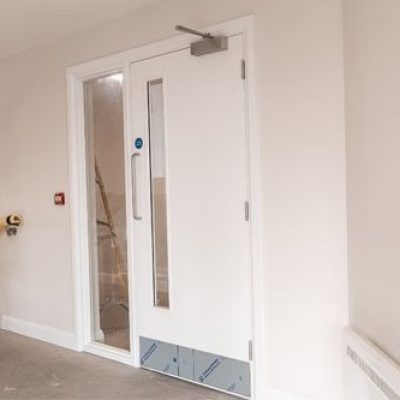
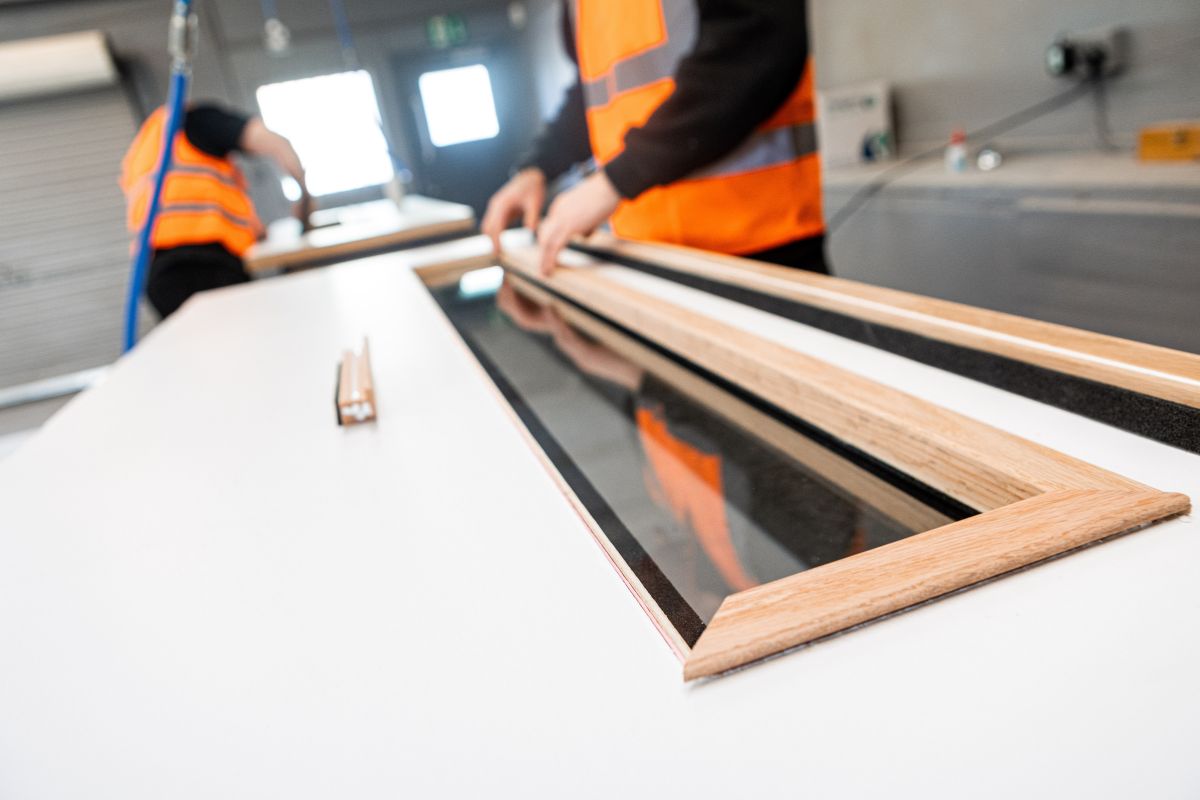
A fire door should always be considered as a complete doorset. Every component, including the frame, hinges, glazing, seals, ironmongery and door closer, plays a role in its performance during a fire.
Which Buildings Require Fire Doors?
Fire doors are commonly required in commercial, public and multi-occupied residential buildings where they form part of the building’s fire strategy.
They are typically installed to protect escape routes, separate fire compartments and reduce the spread of fire throughout a building.
Buildings that commonly include fire doors include:
- Offices
- Schools and colleges
- Universities
- Hospitals and healthcare facilities
- Hotels
- Residential apartment buildings
- Student accommodation
- Care homes
- Industrial premises
- Warehouses
- Retail buildings
- Government buildings
- HMOs and multi-occupancy buildings
The exact fire door requirements will depend on the building’s design, occupancy and fire risk assessment.
Who Is Responsible For Fire Door Compliance?
Fire safety is an ongoing responsibility. Building owners, employers, facilities managers and other duty holders all have an important role in ensuring fire doors remain safe and compliant.
This responsibility does not end once a building has been completed. Fire doors should continue to be monitored throughout their lifespan to ensure they have not become damaged or altered.
Those responsible for managing a building should ensure that:
- Fire doors remain in good condition.
- Defects are identified and addressed promptly.
- Regular inspections are carried out.
- Maintenance records are retained where appropriate.
- Any replacement components are suitable for the doorset.
Maintaining fire door compliance is an ongoing process rather than a one-off task.
Why Fire Door Inspections Are Essential
Fire doors are often used hundreds of times every day, particularly in busy commercial buildings. Over time, this daily use can result in wear and tear that may affect their ability to perform during a fire.
Routine inspections help identify problems before they become significant safety risks. They also provide reassurance that fire doors continue to operate correctly as part of the building’s wider passive fire protection strategy.
During a typical inspection, attention may be given to:
- Door condition
- Door frame
- Hinges and fixings
- Intumescent seals
- Smoke seals where applicable
- Door closers
- Glazing
- Door gaps and clearances
- Ironmongery
Any defects identified should be rectified as soon as reasonably possible to maintain the integrity of the doorset.
Common Fire Door Compliance Mistakes
Many fire door issues occur gradually over time and may not be immediately obvious without regular inspections.
Common examples include damaged seals, incorrect door gaps, faulty self-closing devices and damaged frames. In some cases, fire doors may also be modified after installation with non-compatible hardware or unauthorised alterations, which can affect their performance.
Another common issue is failing to maintain fire doors after refurbishment works. Building alterations, new service installations or general wear can all impact how a fire door performs if not properly managed.
Regular inspections and maintenance help reduce the risk of these issues affecting the overall fire safety of the building.
How To Remain Compliant
Achieving fire door compliance is about maintaining a consistent approach throughout the life of the building rather than simply meeting requirements during construction.
A proactive approach helps ensure fire doors continue to provide the level of protection they were designed to deliver.
Good practice includes:
- Choosing appropriately certificated fire doorsets.
- Using competent installers.
- Carrying out regular inspections.
- Addressing defects promptly.
- Following manufacturer guidance.
- Maintaining accurate maintenance records where required.
By following these principles, organisations can help ensure their fire doors continue to support the building’s fire safety strategy.
Fire Doors As Part Of A Wider Fire Safety Strategy
Fire doors are only one element of an effective passive fire protection system. They work alongside other fire safety measures to help protect both occupants and property.
A comprehensive fire safety strategy may also include:
- Fire stopping systems
- Fire compartmentation
- Fire alarms
- Emergency lighting
- Fire risk assessments
- Clearly defined evacuation procedures
When these systems work together, they help improve building safety and support effective emergency response.
Final Thoughts
Understanding the fire door regulations UK is essential for anyone responsible for managing commercial or public buildings.
Fire doors play a vital role in protecting escape routes, supporting compartmentation and slowing the spread of fire. However, they can only perform effectively when they are correctly specified, professionally installed and properly maintained throughout their service life.
Regular inspections, prompt maintenance and the use of quality certificated products all contribute towards maintaining compliance and ensuring fire doors continue to perform as intended.
Frequently Asked Questions
What are the UK fire door regulations?
Fire door regulations form part of wider UK fire safety legislation and building regulations. They require fire doors to be correctly specified, installed and maintained so they continue to perform as intended.
Which buildings require fire doors?
Fire doors are commonly required in commercial buildings, schools, hospitals, hotels, industrial premises, offices, apartment buildings and many other public buildings where they form part of the fire safety strategy.
How often should fire doors be inspected?
Inspection frequency depends on the type of building and how often the doors are used. Regular inspections help identify defects and ensure fire doors remain compliant and effective.
Who is responsible for fire door compliance?
Responsibility typically sits with the building owner, employer or duty holder responsible for managing the premises and maintaining fire safety measures.
Why is fire door maintenance important?
Fire doors experience regular use and can become damaged over time. Routine maintenance helps ensure they continue to operate correctly and provide the level of fire protection they were designed to achieve.